
Recén chegados

Alicia e a mestra de Oza

Alicia e a mestra de Oza

Alicia e a mestra de Oza

Paula Carballeira

Guía dos seres fantásticos que viven en Galicia sen que talvez o saibas

Guía dos seres fantásticos que viven en Galicia sen que talvez o saibas

Guía dos seres fantásticos que viven en Galicia sen que talvez o saibas

Anaír Rodríguez Rodríguez

Disable Screen Optimization Verified Link

Spoiler alert: I am never going back.

In an era where AI upscaling, motion smoothing, and dynamic contrast are king, we often assume that more processing equals a better picture. For years, I let my media player and GPU driver "enhance" my video, trusting algorithms to sharpen edges, reduce noise, and "optimize" color. That was, until I found the unassuming checkbox labeled

I deduct one point because the setting is often buried three menus deep and named inconsistently across software (sometimes called "Use Nearest Neighbor Scaling" or "Disable Post-Processing"). But once you find it, enable it, and force your media player to behave like a purist’s monitor, you will finally see your content as the creator rendered it—not as your graphics driver guessed you wanted it.

Most modern video players (like VLC, MPC-HC, or PotPlayer) and even some streaming apps have a feature that, by default, attempts to "optimize" your video for your screen. This includes sub-pixel rendering tricks, forced anti-aliasing, over-sharpening, and sometimes even resizing algorithms that smooth out pixel art or fine text. "Disable Screen Optimization" strips all of that away. It tells the software: "Give me the raw, unaltered signal. Do not touch a single pixel unless I ask you to."

Partilla este libro

Spoiler alert: I am never going back.

In an era where AI upscaling, motion smoothing, and dynamic contrast are king, we often assume that more processing equals a better picture. For years, I let my media player and GPU driver "enhance" my video, trusting algorithms to sharpen edges, reduce noise, and "optimize" color. That was, until I found the unassuming checkbox labeled

I deduct one point because the setting is often buried three menus deep and named inconsistently across software (sometimes called "Use Nearest Neighbor Scaling" or "Disable Post-Processing"). But once you find it, enable it, and force your media player to behave like a purist’s monitor, you will finally see your content as the creator rendered it—not as your graphics driver guessed you wanted it.

Most modern video players (like VLC, MPC-HC, or PotPlayer) and even some streaming apps have a feature that, by default, attempts to "optimize" your video for your screen. This includes sub-pixel rendering tricks, forced anti-aliasing, over-sharpening, and sometimes even resizing algorithms that smooth out pixel art or fine text. "Disable Screen Optimization" strips all of that away. It tells the software: "Give me the raw, unaltered signal. Do not touch a single pixel unless I ask you to."

Libros de Rosa Aneiros

De 9 anos en diante

Faísca, a nena neandertal

Faísca, a nena neandertal

Narrativa

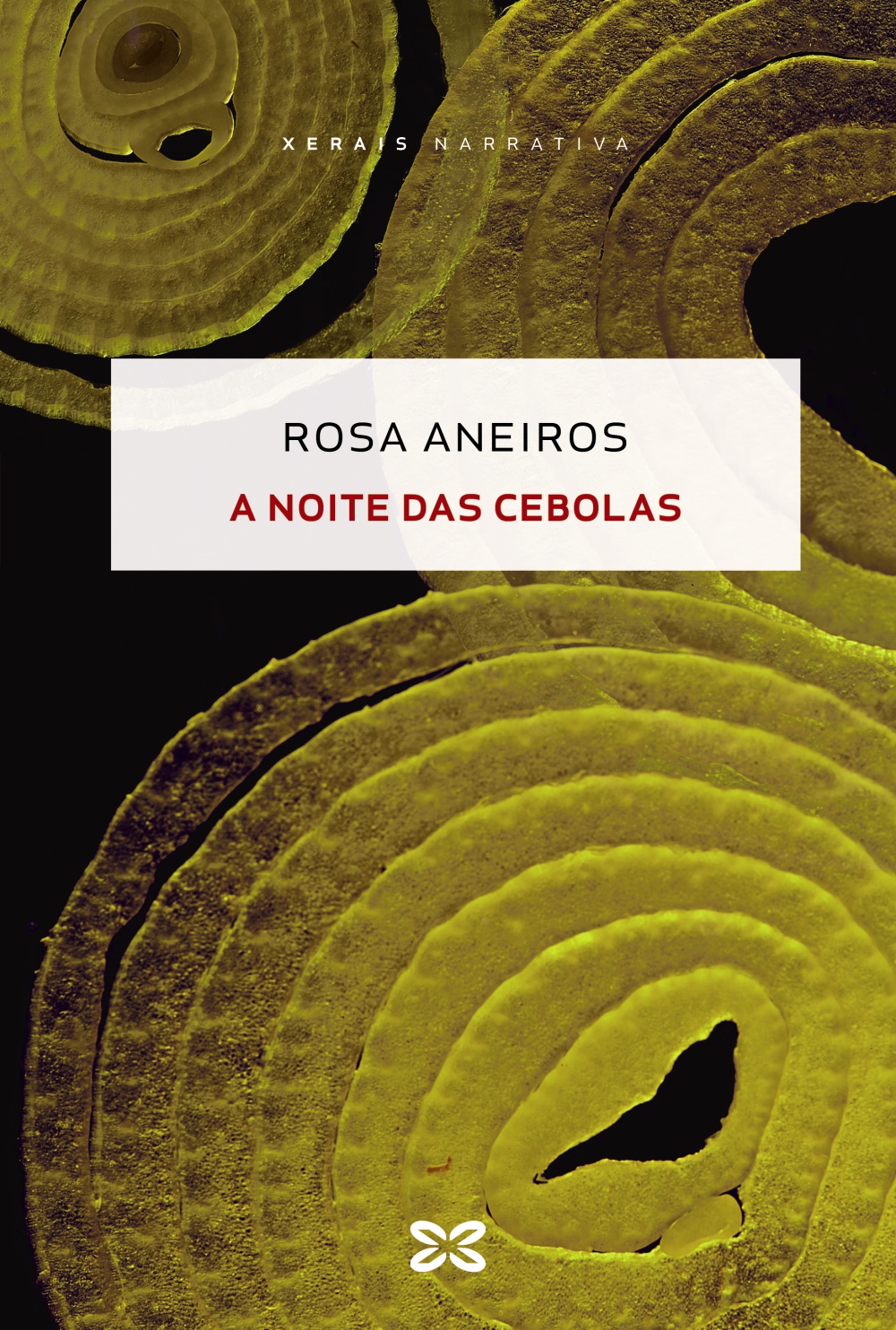
A noite das cebolas

A noite das cebolas

De 9 anos en diante

Catro plumas de dinosauro

Catro plumas de dinosauro

Sobre a colección Narrativa

Os nosos libros

Recibe todas as noticias sobre novidades e eventos

books