Years later, a new generation of developers—Gregory, Turtleli, refraction—had forked and fixed it, adding hacks upon hacks. Merge sprite. Align sprite. Auto flush. Half-pixel offset. Each toggle was a bandage over a wound in time.
Leo leaned back. He didn’t save the state. He didn’t press Start. He just watched the sunset, rendered by a ghost’s plugin, on a machine that had no business remembering it.
GSdx had done it. The plugin had lied, cheated, and brute-forced its way through two decades of architectural differences to show a single, perfect moment of a game that was never meant to be played.
The culprit: .
He opened the GSdx debugger—a hidden panel he’d compiled himself from an old GitHub fork. Numbers scrolled past: draw calls, texture cache misses, primitive assembly. The plugin was rejecting the game’s custom framebuffer effect. Every time the girl’s hair moved, the GSdx plugin tried to render a post-processing effect that didn’t exist in the official Sony SDK.
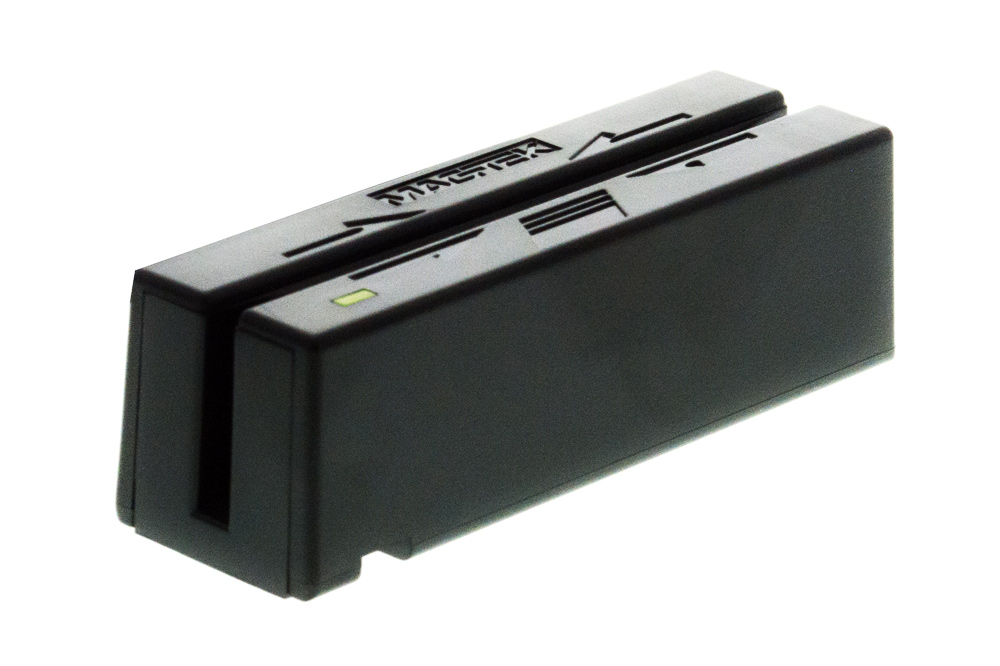
Multiple Interface Options
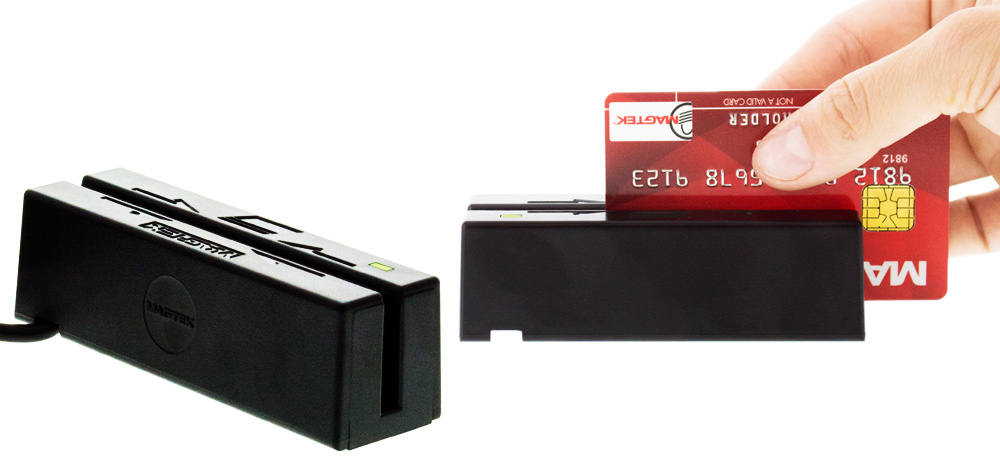
USB Keyboard Emulation, USB HID or Port Powered RS232.

Reliable
The Mini offers the highest possible read reliability and the highest specification MTBF in the industry. gsdx plugin

Flexible
Mount with self-mounting adhesive strips or using the embedded threaded mounting points. Auto flush
| Current | USB: normal 30 mA; Suspend mode 300 uA RS-232: Quiescent 1-2 mA typical (continuous), transmitting 8-9 typical (5ms duration), peak at power on 12 mA |
| USB & RS-232 Size |
Length: 3.94” (100.0mm) Width: 1.28” (32.5mm) Height: 1.23” (31.3mm) |
| USB & RS-232 Weight |
Weight: 4.5 oz. (127.57 g) |
| TTL 100 mm Size |
Length: 3.94" (100 mm) Height: 1.23" (31.3mm) Width: 1.28" (32.5mm) |
| TTL 101 mm Size |
Length: 4.0" (101.6 mm) Height: 1.08" (27.4 mm) Width: 1.62" (41.1 mm) |
| Temperature | |
| Operating | -30 °C to 70 °C (-22 °F to 158 °F) |
| Storage | -40 °C to 70 °C (-40 °F to 158 °F) |
| Humdity | |
| Operating | 10% to 90% noncondensing |
| Storage | 10% to 90% noncondensing |
| Altitude | |
| Operating | 0-10,000 ft. (0-3048 m.) |
| Storage | 0-50,000 ft. (0-15240 m.) |
Years later, a new generation of developers—Gregory, Turtleli, refraction—had forked and fixed it, adding hacks upon hacks. Merge sprite. Align sprite. Auto flush. Half-pixel offset. Each toggle was a bandage over a wound in time.
Leo leaned back. He didn’t save the state. He didn’t press Start. He just watched the sunset, rendered by a ghost’s plugin, on a machine that had no business remembering it.
GSdx had done it. The plugin had lied, cheated, and brute-forced its way through two decades of architectural differences to show a single, perfect moment of a game that was never meant to be played.
The culprit: .
He opened the GSdx debugger—a hidden panel he’d compiled himself from an old GitHub fork. Numbers scrolled past: draw calls, texture cache misses, primitive assembly. The plugin was rejecting the game’s custom framebuffer effect. Every time the girl’s hair moved, the GSdx plugin tried to render a post-processing effect that didn’t exist in the official Sony SDK.