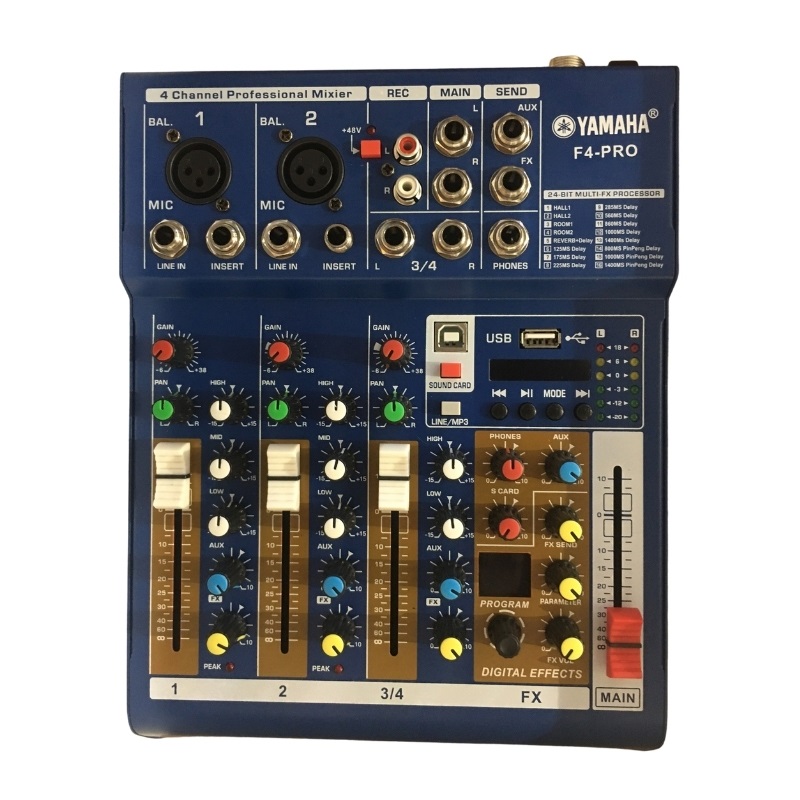
Bàn Mixer F4 Pro
950000
"It’s like having a colorist who never sleeps," notes Ben Rodriguez, a documentary filmmaker. "I fed it ten different cameras from a protest shoot. The plugin built a 'Master LUT' in 90 seconds. Usually, that’s a day of work." Here is where the magic meets the metal. Historically, heavy plugins turn Premiere Pro into a slideshow. SceneShift runs entirely on the GPU using Tensor cores (Nvidia RTX or Apple Neural Engine).
For years, Adobe Premiere Pro has been the undisputed workhorse of the editing bay. But even workhorses need new shoes. Enter the new generation of AI-native plugins that don't just add a filter—they fundamentally change the physics of your workflow. premiere pro plugin
If you change the duration of a clip in the timeline, the plugin’s "Audio Morph" feature automatically re-stretches the ambient soundscape without pitch shifting. It treats the timeline not as a strip of film, but as a database of objects. "It’s like having a colorist who never sleeps,"
In a world where clients demand changes five minutes before delivery, that speed isn't just a luxury. It’s survival. Usually, that’s a day of work
Traditional plugins solved this partially. Red Giant gave you the textures; Boris FX gave you the tracking. But they still required you to know how to composite. The new wave of plugins, however, is predictive. SceneShift, a plugin that lives natively inside the Premiere Pro Effects panel, does three things that make traditional editors uncomfortable (in a good way). 1. Semantic Color Grading Forget scopes for a moment. SceneShift uses object-aware AI to isolate the "subject" versus the "background." Instead of dragging a HSL qualifier that misses half the skin tone, you toggle a button labeled "Protect Skin" or "Darken Sky." The plugin reads the pixels as data, not just color values.
"It’s like having a colorist who never sleeps," notes Ben Rodriguez, a documentary filmmaker. "I fed it ten different cameras from a protest shoot. The plugin built a 'Master LUT' in 90 seconds. Usually, that’s a day of work." Here is where the magic meets the metal. Historically, heavy plugins turn Premiere Pro into a slideshow. SceneShift runs entirely on the GPU using Tensor cores (Nvidia RTX or Apple Neural Engine).
For years, Adobe Premiere Pro has been the undisputed workhorse of the editing bay. But even workhorses need new shoes. Enter the new generation of AI-native plugins that don't just add a filter—they fundamentally change the physics of your workflow.
If you change the duration of a clip in the timeline, the plugin’s "Audio Morph" feature automatically re-stretches the ambient soundscape without pitch shifting. It treats the timeline not as a strip of film, but as a database of objects.
In a world where clients demand changes five minutes before delivery, that speed isn't just a luxury. It’s survival.
Traditional plugins solved this partially. Red Giant gave you the textures; Boris FX gave you the tracking. But they still required you to know how to composite. The new wave of plugins, however, is predictive. SceneShift, a plugin that lives natively inside the Premiere Pro Effects panel, does three things that make traditional editors uncomfortable (in a good way). 1. Semantic Color Grading Forget scopes for a moment. SceneShift uses object-aware AI to isolate the "subject" versus the "background." Instead of dragging a HSL qualifier that misses half the skin tone, you toggle a button labeled "Protect Skin" or "Darken Sky." The plugin reads the pixels as data, not just color values.
HỆ THỐNG CỬA HÀNG
Cơ sở 2
Giờ làm việc: Vui lòng gọi điện trước khi đến.
Xem bản đồCơ sở 3
Giờ làm việc: Vui lòng gọi điện trước khi đến.
Xem bản đồCơ sở 4
Giờ làm việc: Vui lòng gọi điện trước khi đến.
Xem bản đồThông tin
Chính sách chung
Hỗ trợ khách hàng
Phương thức thanh toán
Kết nối với chúng tôi