But at 11:17 PM every night, after the last train rattles past her window, Haru transforms.
She pulls on a pair of cheap headphones, opens a borrowed laptop, and becomes Kuro-chan —a warm, gravelly-voiced alter ego. “The Midnight Ear” is a podcast she launched during the pandemic as a lark. No video. No real name. Just her voice, a cup of hojicha, and a promise: “Tell me what you can’t tell anyone else.”
The woman—a ceramics artist named Yuki—doesn’t forgive her. But she doesn’t slam the door either. She asks: “Why do you hide?” Haru has no answer. They drink tea in silence. It is the first non-transactional human moment Haru has had in years. haru’s secret life
Because Haru has been too careful. No one can find her. Yet. Inside the archive, Haru watches the news on her phone behind a stack of Meiji-era land registries. Her hands do not shake. Her heartbeat does not spike. Instead, a strange calm descends: This is the first real thing that has ever happened to me.
For the first time, Haru breaks her rule. She calls her mother. The conversation lasts 47 seconds. Haru hangs up, then weeps—not for reconciliation, but for the confirmation that some wounds don’t heal. They only become content. But at 11:17 PM every night, after the
What started with 12 listeners has grown to 1.2 million. She reads letters—anonymized—about fetishes, workplace betrayals, suicidal ideation, secret second families. She doesn’t judge. She translates . She finds the hidden logic in shame.
The media firestorm is instantaneous. Headlines shriek: A politician calls for regulation of “anonymous psychological predators.” A victim’s rights group doxxes Kuro-chan—but finds only a dead drop email and a Patreon trail that leads to… nothing. No video
She says: “My name is Haru Yamashita. I have never touched another person’s life in a way that mattered, so I started touching them through a screen. I gave advice like a god. But I am not a god. I’m a woman who is afraid of grocery store checkout lines. I’m sorry to Kenta. I’m sorry to Yuki. And I’m sorry to all of you for pretending that wisdom costs nothing. It costs everything. I’m still learning how to pay.”















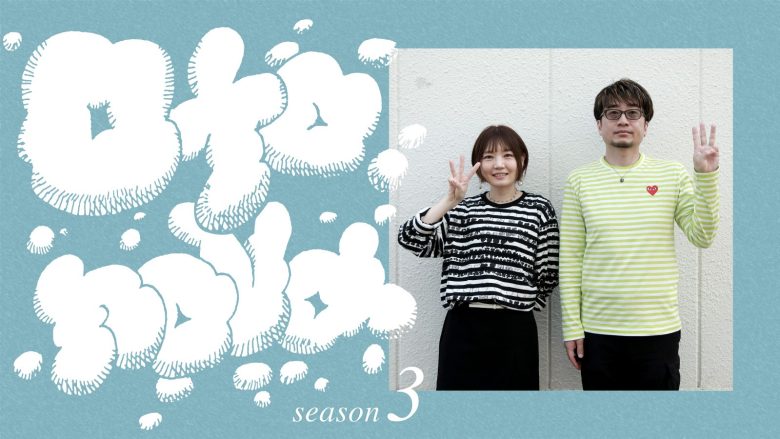
![DIALOGUE+主催音楽フェス“DIALOGUE+Festa!! DAY stage -Collaboration with リスアニ!-”開催記念 短期連載![第2回目 田淵智也(DIALOGUE+総合プロデューサー)×馬嶋 亮(リスアニ!編集長)対談]](https://www.lisani.jp/admin/wp-content/uploads/2026/03/2603041800-ak-001-1-780x439.jpg)

![DIALOGUE+主催音楽フェス“DIALOGUE+Festa!! DAY stage -Collaboration with リスアニ!-”開催記念 短期連載![第1回目 ご挨拶]](https://www.lisani.jp/admin/wp-content/uploads/2026/02/2602221200-ak-001-780x439.jpg)