At first glance, the phrase “Dead by Daylight unblocked” appears to be a simple technical request—a plea to bypass a school or workplace firewall to access a popular asymmetrical horror game. However, beneath this seemingly trivial search query lies a complex intersection of digital culture, youth resistance, institutional control, and the evolving definition of game ownership. The phenomenon of “unblocked games” is not merely about playing a violent game during study hall; it is a modern form of digital contraband that reveals how players negotiate the boundaries of access in an era of ubiquitous surveillance and restricted networks.
Educational institutions block gaming traffic for legitimate pedagogical reasons: to preserve bandwidth for academic use, prevent distraction, and limit exposure to violent content. Dead by Daylight is rated M for Mature (17+), featuring graphic violence, gore, and a thematic emphasis on murder and sacrifice. Schools are ethically and legally obligated to restrict such material. However, the student response—seeking “unblocked” versions—represents a classic pattern of resistance against paternalistic authority. dead by daylight unblocked
Yet the persistence of the search query itself is revealing. It demonstrates a fundamental misunderstanding of modern game architecture among younger users, who have grown up in an era where “games” are services, not products. It also highlights the gap between institutional network security and the expectations of digital natives who believe all content should be instantly accessible anywhere. At first glance, the phrase “Dead by Daylight
Interestingly, the developer Behaviour Interactive has little incentive to crack down on “unblocked” searches. The game operates on a “buy-to-play” model with numerous downloadable content (DLC) expansions. A student playing on a pirated or browser-based clone cannot access the full roster of killers, survivors, or perks. More importantly, they cannot contribute to the game’s core monetization loop. If anything, these “unblocked” versions act as a gateway drug. A teenager who spends thirty minutes on a buggy clone during a free period may go home and purchase the full game on Steam. From a business perspective, the unblocked phenomenon is a form of free, low-fidelity advertising. It is cathartic. The frantic chase
The moral panic around unblocked games often overlooks a key question: who is the victim? The school suffers no direct financial loss. The developer loses no sale because the student likely could not purchase the game at school anyway. The primary “harm” is to the student’s own academic focus. Yet studies on multitasking and learning show that a student determined to avoid classwork will find distraction in anything—doodling, daydreaming, or passing notes. Blaming Dead by Daylight is like blaming a pencil for a student’s lack of attention.
Why Dead by Daylight specifically? Among the pantheon of unblocked games— Shell Shockers , Krunker , Slope —why would students seek out a game about being chased by a chains wielding cannibal? The answer lies in the unique psychological appeal of asymmetrical horror. For a student trapped in the mundane stress of standardized tests and rigid schedules, playing as a Survivor being hunted by a Killer offers a controlled, voluntary experience of fear. It is cathartic. The frantic chase, the near-misses, and the temporary escape into a digital nightmare paradoxically relieve real-world anxiety. Being “unblocked” thus has a double meaning: not only bypassing a firewall but also unblocking emotional pressure.
The more substantive ethical issue is network security. When students bypass firewalls, they potentially expose the entire school’s infrastructure to malware. A single infected laptop connected to the school’s Wi-Fi can compromise student records and administrative data. Therefore, the ethical condemnation should focus not on the game’s violent content but on the reckless disregard for shared digital hygiene.
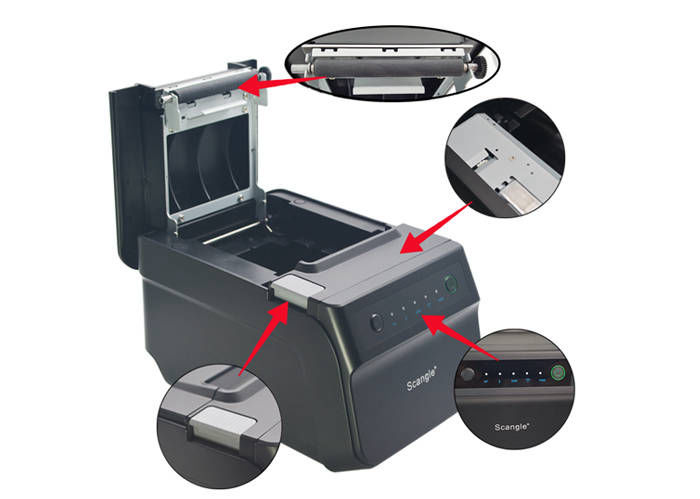
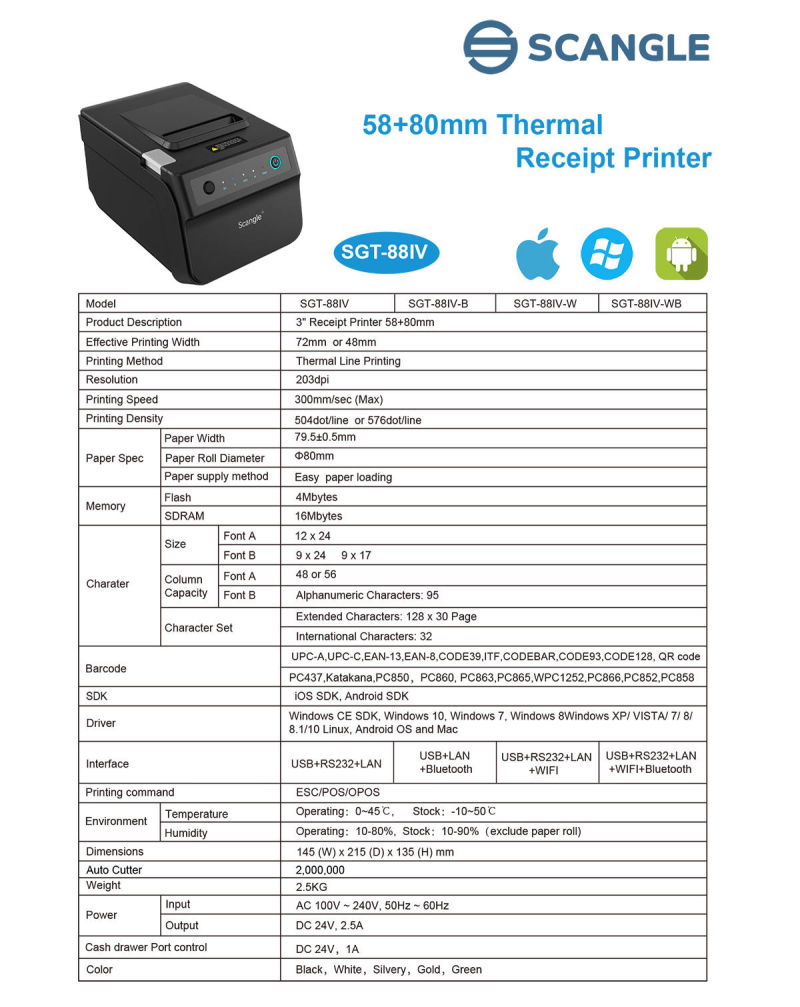
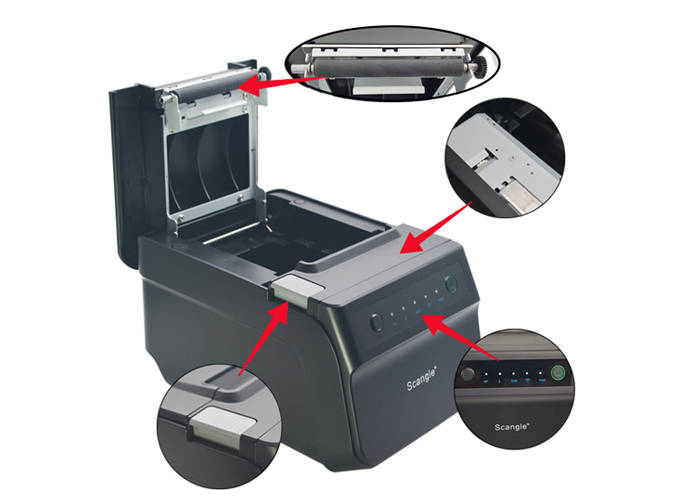
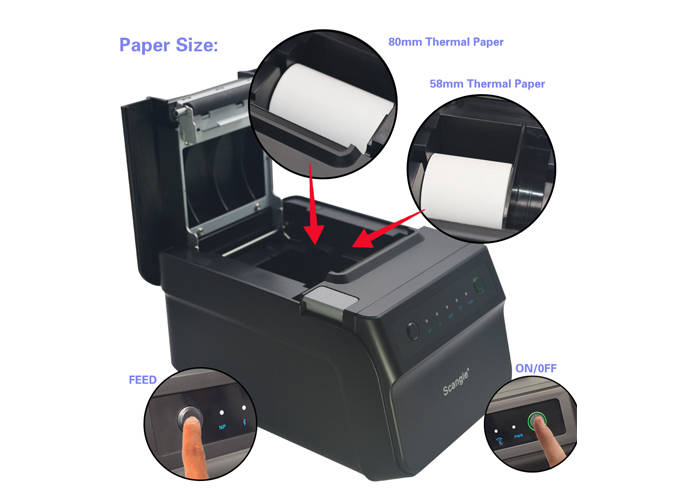
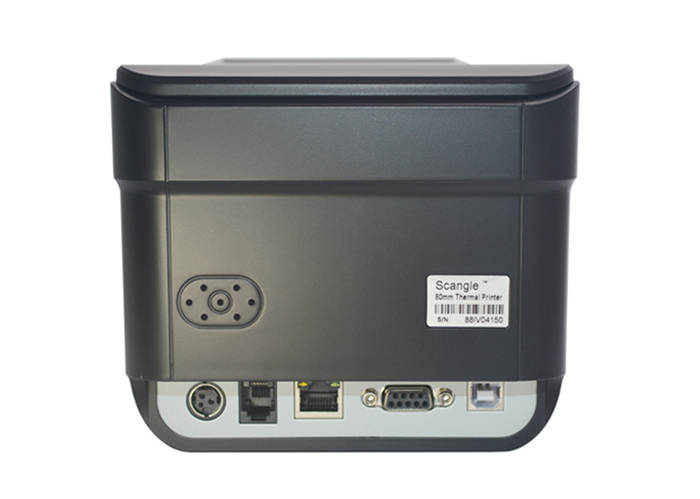
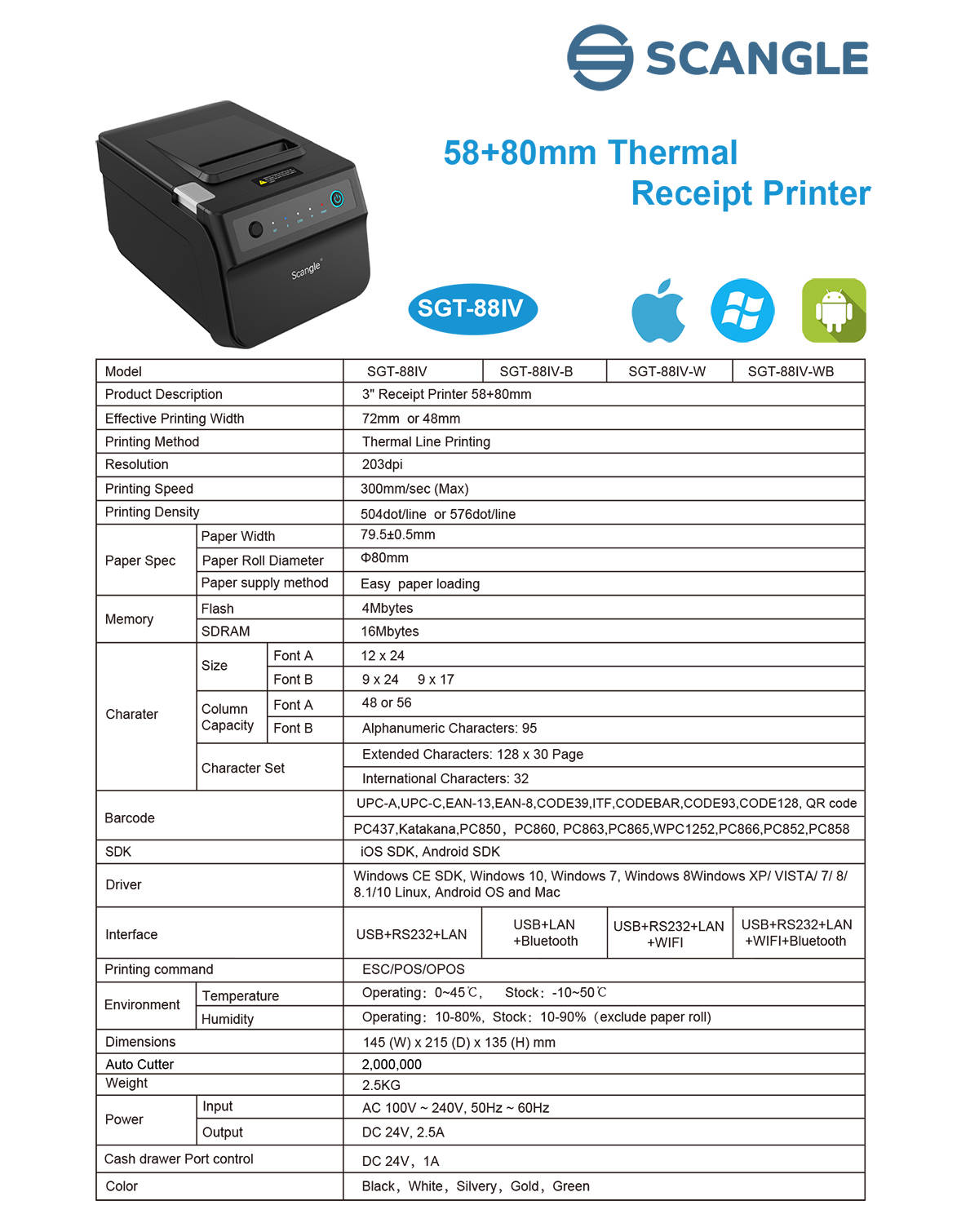
| Scangle SGT-88IV | |
|---|---|
| Print type | Thermal Printing |
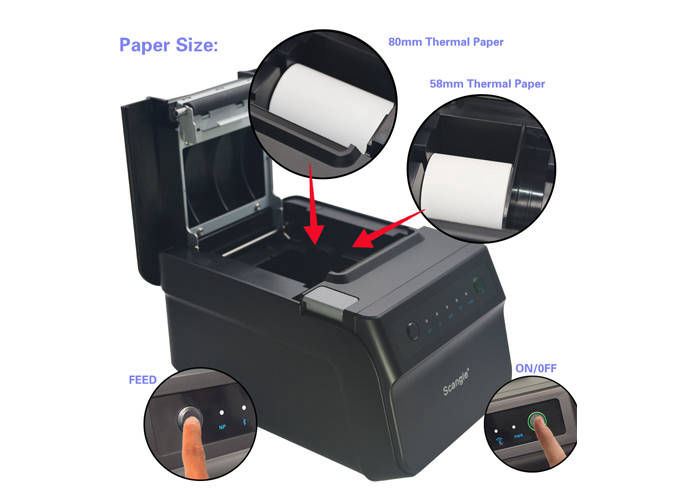
| Print width | 58/80 mm |
| Resolution | 203 dpi |
| Print speed | 300 mm/s |
| Dimensions | 145 × 215 × 135 mm |
| Weight | 2,5 kg |
| Automatic cutter | Yes, lifetime 2 000 000 cuts |
| Supported standards | ESC/POS/OPOS |
| Operating temperature | 0°C - 45°C |
| Supported OS | Android, iOS, Windows, Windows CE |
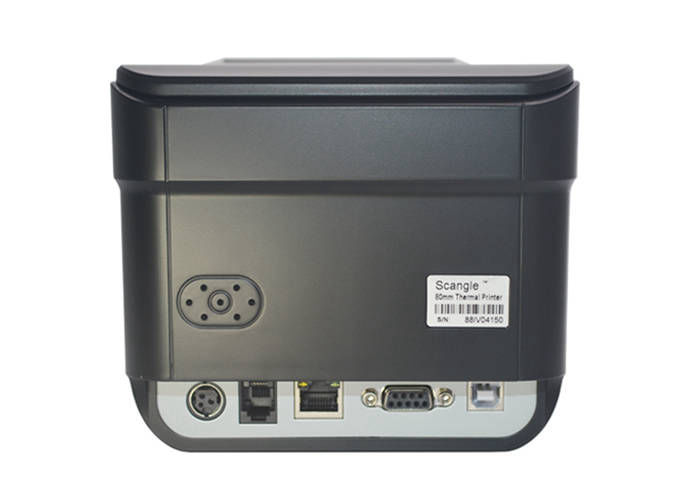
| Supported Interface (optional) | RS232, USB, LAN, WiFi, Bluetooth |
+420 725 913 535
+420 702 142 452
info@satomar.cz
www.scangle.eu
Satomar, s.r.o.
ID: 29201586
VAT ID: CZ29201586
Karlova 37
614 00 Brno
Czech Republic